
Recovery Tools for Post Chemotherapy Patients
Table of Contents
- Why the Right Recovery Tools Matter After Chemotherapy
- How Long to Recover From Chemotherapy: Setting Realistic Expectations
- Post-Chemotherapy Fatigue Management: Tools That Help You Rest and Rebuild
- Gentle Exercise After Chemotherapy: Movement Tools for Rebuilding Strength
- Building Your Cancer Survivorship Care Plan Around Recovery Tools
- How to Choose and Use Recovery Tools Safely
- Conclusion
- Frequently Asked Questions
Last Updated: October 21, 2026
Why the Right Recovery Tools Matter After Chemotherapy
Recovery tools for post chemotherapy patients are the practical items, comfort aids, and gentle movement equipment that support rest, safety, and rebuilding strength at home between treatment cycles and after treatment ends.
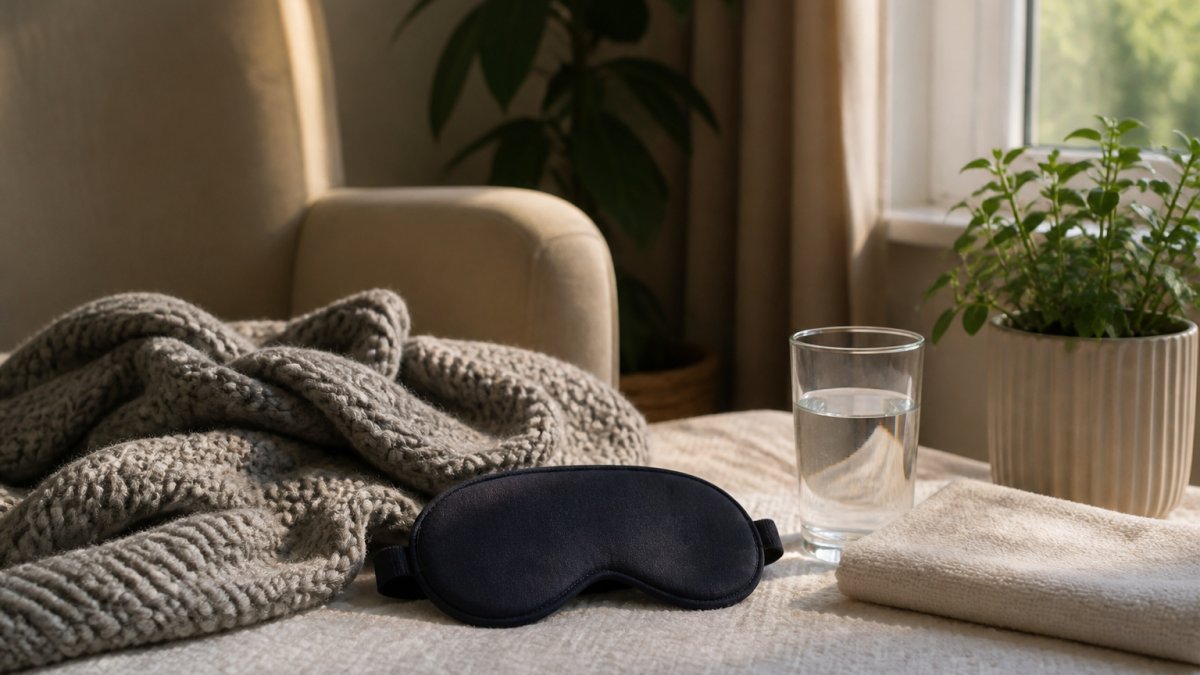
Chemotherapy is hard on the body. It can leave you tired, sore, stiff, and sensitive to light and temperature.
Below, we'll show you exactly which tools help with which symptom, how to use them safely, and when to call your care team instead of pushing through.
The National Cancer Institute's guidance on cancer treatment side effects is clear on one point: managing symptoms early matters. Small comforts add up.
How Long to Recover From Chemotherapy: Setting Realistic Expectations
There is no single timeline. Recovery time depends on the drugs used, your treatment history, your age, and your overall health. Many people feel better within weeks of finishing.
Some effects fade fast. Others linger. Fatigue and nerve changes are common ones that take longer.
Your oncology team can give you the most useful estimate for your case. Ask them directly: "What should I expect in the first month, and what should I expect at six months?"
Post-Chemotherapy Fatigue Management: Tools That Help You Rest and Rebuild
Fatigue after chemotherapy is not ordinary tiredness. It is one of the most common side effects of treatment, and it often does not improve with a nap (Fatigue and Cancer - Side Effects). It can be caused by the drugs themselves, by anemia, by poor sleep, by pain, by low mood, or by deconditioning after weeks of reduced activity. Because the cause varies, the tools that help vary too.
Energy Conservation: The Tool That Costs Nothing
Before buying anything, learn the principle of energy conservation. Most oncology rehabilitation teams teach a simple version:
- Pace, don't push. Break tasks into short blocks with rest between them. Ten minutes of activity followed by five minutes of rest is often better than thirty minutes straight.
- Prioritize. Pick the two or three tasks that matter most today and let the rest wait.
- Delegate. Ask for help with errands, meals, and cleaning before you are exhausted, not after.
- Schedule around your best hours. Track your energy for one week. Most people find a predictable pattern, often a better window in the morning or early afternoon. Put your hardest tasks there.
A simple notepad or phone app is the most useful tracking tool here. Note the time, what you did, and how you felt afterward. Bring those notes to your oncology visits. Patterns you spot at home give your care team better information than a vague "I've been tired."
Sleep Support Tools for Better Rest
Sleep quality often drops during and after treatment. Light, noise, discomfort, and steroid medications all interfere. The tools below address the environment rather than the underlying cause, so use them alongside, not instead of, a conversation with your care team about persistent insomnia.
- Light blocking. The Bagby NIGHT Sleep Mask is a lightweight, light-blocking eye mask that helps create a darker rest environment at home or during travel. It packs small, so it works for naps and overnight stays. For side sleepers or anyone who feels pressure around the eyes, the 3D Soft Padded Sleeping Mask has a contoured hollow design that blocks light without pressing on the eyes.
- Temperature control. A cool surface can help. The Adjustable Bamboo Cooling Pillow uses bamboo viscose fabric and adjustable fill, so you can set the firmness that feels right. Night sweats and hot flashes are common after some regimens, and a cooling pillow is a low-risk comfort measure.
- Wind-down light. The Nicebeam Sleep Recovery Lamp is a red and infrared light therapy lamp designed for short at-home sessions of 10 to 15 minutes. Many users use it as part of a calming evening routine. Its stand makes it easy to position where you need it. Treat it as a comfort and routine tool, not a treatment for a medical condition, and ask your care team before using any light device if you are photosensitive or taking medications that increase sun sensitivity.
Comfort Items for Tired Days
Some days you will not have much energy. Having comfort items within arm's reach makes those days easier and reduces trips across the house. Keep a small basket near your rest spot with a water bottle, a light snack, your sleep mask, lip balm and hand cream, a phone charger, and a notebook for questions for your care team.

When Fatigue Is a Red Flag
Expected fatigue improves with rest and pacing. Contact your care team promptly if fatigue is sudden and severe, comes with shortness of breath, chest pain, dizziness, or a fever, or is accompanied by new bruising or bleeding. These can signal anemia, infection, or another issue that needs medical attention rather than a comfort tool. Recovery tools support rest. They do not replace medical advice.
Gentle Exercise After Chemotherapy: Movement Tools for Rebuilding Strength
Movement helps. Too much movement too soon hurts. The middle path is gradual activity, built up slowly over weeks.
Start with what you can do without straining. A short walk. Gentle stretching. Light resistance bands. Then add a little more each week if you feel steady.
Tools that support gentle exercise after chemotherapy include:
- Resistance bands for light strength work
- A stable chair for seated exercise
- A yoga mat for floor stretching
- A step counter or wearable to track daily movement
- A water bottle you actually like carrying
Physical therapy is worth asking about. A physical therapist can build a plan around your treatment history and any nerve or balance changes.
Nicebeam Sleep Recovery Lamp – Relaxing Bedtime & Wellness Light →
Building Your Cancer Survivorship Care Plan Around Recovery Tools
A survivorship care plan is a written summary of your treatment and a roadmap for follow-up care. It usually covers the drugs and doses you received, the dates of treatment, follow-up visit and screening schedules, potential late effects to watch for, and who is responsible for each part of your care. Ask your oncology team for yours if you do not have one.
What to Put in Your Plan
A practical survivorship plan for home recovery usually includes:
- Treatment summary. The chemotherapy drugs, doses, number of cycles, and any radiation or surgery. This matters because different drugs have different late effects. Some cause nerve changes, some affect the heart, and some affect hearing or kidney function.
- Follow-up schedule. When to see oncology, primary care, and any specialists, and what tests are due.
- Symptom watch list. The specific symptoms your care team wants reported, and how to reach them after hours.
- Late-effect notes. What to watch for months or years later, such as neuropathy, cognitive changes, or bone health concerns.
- Tool and activity guidance. Any restrictions on exercise, lifting, or device use, and any referrals to physical therapy, occupational therapy, or lymphedema specialists.
Matching Tools to Your Plan
Once the plan is in hand, match each recovery goal to a tool category and a trigger for use. The table below is a starting point, not a prescription. Adjust it with your care team.
| Recovery Goal | Tool Category | When to Use It |
|---|---|---|
| Better sleep | Sleep mask, cooling pillow | Every night and for naps |
| Calm wind-down | Soft lamp, low light | Evening routine |
| Gentle strength | Resistance bands, stable chair | 3 to 4 short sessions weekly, if cleared |
| Daily movement | Step tracker, walking shoes | Most days, within your energy envelope |
| Symptom tracking | Notebook or app | Daily, before appointments |
| Skin and body care | Gentle cleansers, moisturizer | Daily after washing |
| Neuropathy comfort | Soft socks, padded gloves, night splints if prescribed | As needed, with clinician guidance |
Coordinating Care and Keeping Records
Bring your symptom notes and your survivorship plan to follow-up visits. Ask one person, often a primary care clinician or oncology nurse navigator, to act as your point of contact for non-emergency questions. Keep a single folder, paper or digital, with your treatment summary, medication list, appointment dates, and symptom log. If you see multiple clinicians, share the same folder with each of them so no one is working from a partial picture.

Financial Access and Low-Cost Alternatives
Recovery tools do not have to be expensive. Before buying, ask your oncology social worker or nurse navigator about insurance coverage, patient assistance programs, and lending closets for durable medical equipment. Many household items substitute well: a folded towel can raise a pillow, a firm chair can support seated exercise, and a free phone app can replace a step tracker.
How to Choose and Use Recovery Tools Safely
Start with the symptom that bothers you most. Then pick one tool for it. Add another only when the first is part of your routine.
A simple checklist before you buy:
- Does this solve a specific problem I have right now?
- Can I use it without help, or do I have someone to assist?
- Is it easy to clean and store?
- Has my care team okayed this type of activity or device?
- Is there a lower-cost version that does the same job?
Skip anything that promises to cure, replace treatment, or "detox" your body. Those claims are a warning sign.
Red Flags: When to Contact Your Care Team
Call your care team rather than self-managing if you notice:
- A fever, or chills that don't settle
- New or worsening pain that rest doesn't help
- Shortness of breath or chest tightness
- Dizziness when standing
- Swelling, redness, or warmth in one leg or arm
- Numbness or weakness that is getting worse
Recovery tools support comfort. They do not replace medical advice. When in doubt, make the call.
Conclusion
Recovery after chemotherapy asks a lot of you. It asks for patience on the days your body moves slowly. It asks for honesty when something feels wrong.
At energizehealthco, we curate wellness essentials that balance strength and stillness: sleep aids to protect your rest, wearable technology to track your movement, and comfort items for the days you need them most.
Frequently Asked Questions
What helps with recovery after chemotherapy?
Recovery after chemotherapy usually comes down to rest, hydration, gentle movement, and steady nutrition. Sleep tools like a light-blocking mask or a cooling pillow can make rest easier, while a short daily walk supports gradual reconditioning. Keep a personal health record of symptoms and follow-up visits so your care team can adjust your plan. Recovery tools support comfort, but they do not replace medical advice from your healthcare providers.
How long does it take to recover from chemotherapy?
There is no single timeline. Some people feel more like themselves within a few weeks of finishing treatment, while others notice fatigue and weakness for months. Factors include the type and length of treatment, your age, and your overall health before treatment. Your oncology team can give you a realistic range based on your treatment history. Gentle exercise after chemotherapy and consistent sleep habits can support recovery progress over time.
What gentle exercises are safe after chemotherapy?
Walking, light stretching, and seated mobility drills are common starting points, but check with your care team first, especially if you have nerve changes, bone density concerns, or a port. Start with short sessions and build gradually. Physical therapy can guide strength training and flexibility work safely. Stop and call your provider if you notice dizziness, unusual shortness of breath, or new pain.
How can I improve sleep during recovery after chemo?
Keep a consistent bedtime, dim lights in the evening, and block unwanted light with a sleep mask. A cooling, adjustable pillow can help with night sweats and stiffness. Naps are fine but keep them short so nighttime sleep stays on track. If insomnia lasts more than a few weeks, mention it at your next follow-up visit so your care team can rule out other causes.