
Best Recovery Tools for Chronic Inflammation
Table of Contents
- Best Recovery Tools for Chronic Inflammation: Quick Comparison
- How to Reduce Chronic Inflammation Naturally
- Cold Therapy and Cryotherapy for Inflammation Relief
- Massage Guns and Foam Rolling for Muscle Recovery
- Exercise and Chronic Inflammation: Movement as Medicine
- Sleep and Inflammation: Why Rest Matters for Recovery
- Anti-Inflammatory Foods for Recovery and Healing
- Wearable Technology and Tracking Your Recovery Progress
- Building Your Chronic Inflammation Recovery Routine
- Recovery Tools Comparison Summary
- Frequently Asked Questions
Last Updated: October 11, 2026
Best Recovery Tools for Chronic Inflammation: Quick Comparison
Chronic inflammation doesn't disappear with rest alone. Unlike acute soreness after a workout, persistent inflammation requires a multi-layered approach combining targeted tools, movement, sleep, and nutrition. At energizehealthco, we've curated recovery solutions specifically designed to address long-term inflammatory responses and help you reclaim daily energy and function.
The best recovery tools for chronic inflammation work across three mechanisms: reducing swelling and pain, promoting blood flow and circulation, and supporting your body's natural healing capacity. Most people focus only on one approach, typically cold therapy or massage, and miss the compound effect of combining strategies.
This guide covers the recovery tools that actually move the needle for chronic inflammation, from red light therapy and foam rolling to wearable tracking and sleep optimization.
| Recovery Tool Category | Primary Benefit | Best For | Typical Duration |
|---|---|---|---|
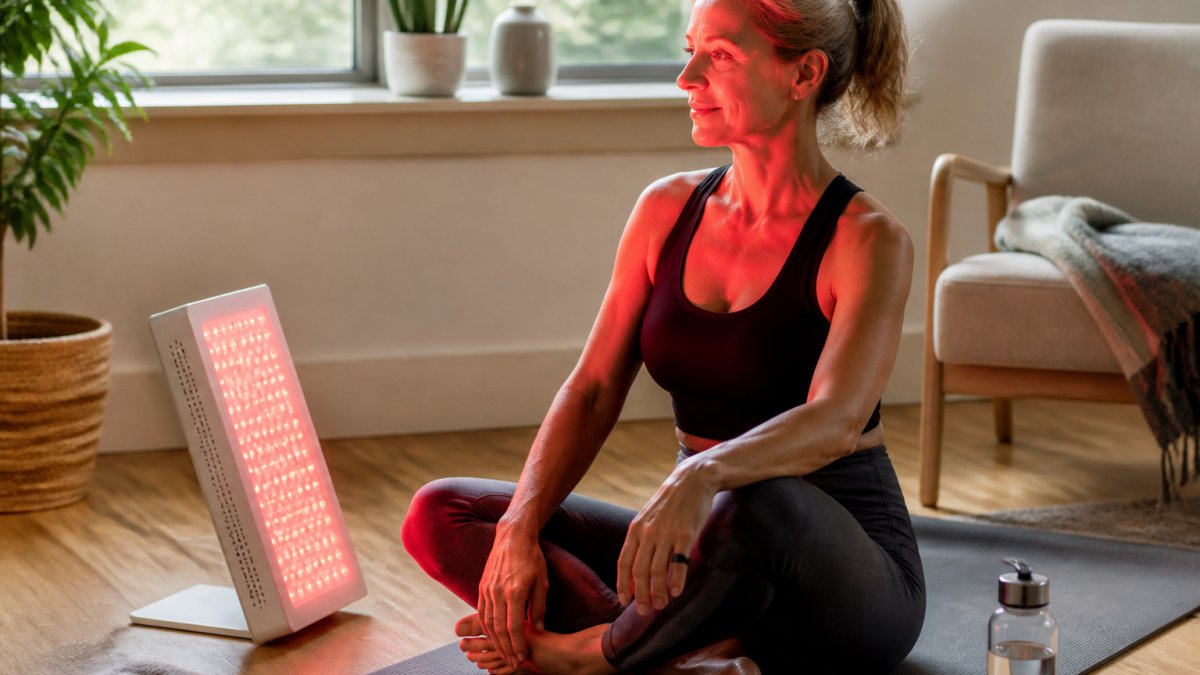
| Red light therapy | Supports circulation and cellular recovery | At-home daily use | 10-15 minutes |
| Foam rolling | Releases muscle tension and stiffness | Post-activity or evening | 5-10 minutes per area |
| Cold therapy | Reduces acute swelling | Flare-up management | 10-20 minutes |
| Compression tools | Promotes blood flow and reduces swelling | Daily wear or post-activity | 30 minutes to several hours |
| Movement and exercise | Builds resilience and reduces inflammatory markers | Consistent daily practice | 20-45 minutes |
| Sleep optimization | Allows cellular repair and reduces inflammation | Nightly routine | 7-9 hours |
| Anti-inflammatory nutrition | Addresses inflammation from within | Integrated into meals | Ongoing |
| Wearable tracking | Monitors recovery progress and patterns | Daily monitoring | Continuous |
How to Reduce Chronic Inflammation Naturally
Reducing chronic inflammation naturally starts with understanding that your body's inflammatory response is trying to protect you, it's just stuck in overdrive. Movement is one of the most underrated natural anti-inflammatory strategies. Low-impact exercise like walking, cycling, or gentle yoga activates your lymphatic system and reduces inflammatory markers without triggering additional stress on joints.

Sleep is equally critical. During deep sleep, your body releases anti-inflammatory cytokines and repairs damaged tissue. Most people managing chronic inflammation sleep poorly, which perpetuates the cycle. Prioritizing 7-9 hours of quality sleep can reduce inflammation more effectively than many supplements.
Stress management deserves mention here too. Chronic stress elevates cortisol, which drives systemic inflammation. Meditation, breathing exercises, and consistent movement all help regulate your nervous system and lower inflammatory load.
Cold Therapy and Cryotherapy for Inflammation Relief
Cold therapy works by constricting blood vessels temporarily, which reduces swelling and numbs pain signals. For chronic inflammation, cold therapy is most useful during acute flare-ups rather than daily use, applying ice for 15-20 minutes can bring immediate relief when inflammation spikes.
Cryotherapy (whole-body cold exposure) is the premium version, but evidence for chronic inflammation is mixed. Ice baths and localized cold packs deliver similar benefits at a fraction of the cost. The key is timing: apply cold within the first 48 hours of a flare-up for maximum effect.
A practical approach: keep a reusable cold pack in your freezer. When inflammation flares, apply it to the affected area for 15 minutes, rest for 15 minutes, then repeat as needed. Most people see relief within the first hour.
Massage Guns and Foam Rolling for Muscle Recovery
Foam rolling and massage guns both work through self-myofascial release, they reduce muscle tension and stiffness while promoting blood flow to affected areas. For chronic inflammation, these tools are most effective when used consistently, 3-4 times per week, rather than sporadically.
Foam rolling is low-cost and portable. A basic foam roller costs $30-50 and works well for larger muscle groups like calves, quads, and back. Spend 1-2 minutes per muscle group, moving slowly and pausing on tender spots.
Massage guns deliver more targeted pressure and are faster, most sessions take 5-10 minutes total. They're particularly useful for people with limited mobility or those who find manual foam rolling uncomfortable.
The real benefit comes from consistency. Rolling twice a week shows minimal results; rolling 3-4 times weekly produces noticeable improvements in stiffness and mobility within 2-3 weeks.
Exercise and Chronic Inflammation: Movement as Medicine
Exercise is one of the most powerful anti-inflammatory interventions available, yet many people with chronic inflammation avoid it due to pain or fear of worsening symptoms. The key is choosing low-impact, consistent movement over intense workouts.
Walking is underrated. A 20-30 minute daily walk activates your lymphatic system, reduces inflammatory markers, and carries almost zero injury risk. Cycling, swimming, and yoga are equally effective alternatives. The goal is movement that elevates your heart rate moderately without creating joint stress.
High-intensity exercise can temporarily increase inflammation, so save that for when your baseline inflammation is well-managed. Start with 20-30 minutes of low-impact activity most days of the week.
Resistance training with light weights also helps, muscle tissue is metabolically active and helps regulate inflammatory response. Focus on controlled movements and proper form over heavy loads.
Sleep and Inflammation: Why Rest Matters for Recovery
Sleep is where cellular repair happens. During deep sleep, your body releases anti-inflammatory cytokines and clears metabolic waste that accumulates during waking hours.
Most people with chronic inflammation report disrupted sleep, pain wakes them, or inflammation itself disrupts sleep architecture. This creates a vicious cycle: poor sleep increases inflammation, which worsens sleep quality.
Optimizing sleep means creating consistent sleep and wake times, keeping your bedroom cool and dark, and avoiding screens 30 minutes before bed. For many people, this alone reduces inflammation within 2-3 weeks.
The Nicebeam Sleep Recovery Lamp supports this process by emitting red and infrared light to support a brighter look, daily recovery, and a more comfortable routine at home.

Consider your sleep pillow too. An orthopedic cervical pillow maintains proper neck alignment throughout the night, reducing tension and supporting better sleep quality.
Anti-Inflammatory Foods for Recovery and Healing
What you eat directly influences inflammatory markers in your blood. Anti-inflammatory foods reduce systemic inflammation from within, complementing your physical recovery tools.
Focus on foods rich in omega-3 fatty acids (fatty fish, flaxseeds, walnuts), antioxidants (berries, leafy greens, dark chocolate), and polyphenols (olive oil, green tea, turmeric). These nutrients actively reduce inflammatory markers when consumed consistently.
Nicebeam Sleep Recovery Lamp – Relaxing Bedtime & Wellness Light →
Conversely, limit processed foods, refined carbohydrates, and excess sugar, these drive inflammation. Most people see measurable improvements in pain and stiffness within 3-4 weeks of shifting toward whole foods.
A practical approach: build meals around vegetables, lean protein, and healthy fats. Aim for variety and color on your plate, different colors indicate different phytonutrients that combat inflammation.
Hydration matters too. Dehydration concentrates inflammatory markers in your blood. Drinking 2-3 liters of water daily supports your body's natural anti-inflammatory processes.
Wearable Technology and Tracking Your Recovery Progress
Wearable technology transforms recovery from guesswork into data-driven practice. Sleep trackers, activity monitors, and heart rate variability sensors show you exactly how your body is responding to your recovery routine.
The Smart Ring Fitness Tracker from energizehealthco monitors sleep patterns and daily activity without the bulk of a smartwatch.
By monitoring these metrics over weeks and months, you can identify which recovery tools actually work for your body. Some people respond better to movement; others see faster results from sleep optimization. Wearable data reveals your personal pattern.
Track trends, not daily fluctuations. A single bad night of sleep or a flare-up doesn't indicate failure, consistency over 4-6 weeks shows whether your routine is working. Adjust based on patterns, not noise.
Building Your Chronic Inflammation Recovery Routine
Start simple. Most people overwhelm themselves by trying every recovery tool at once, then quit when the complexity becomes unsustainable. Instead, build a routine in phases.
Phase 1 (Weeks 1-2): Establish sleep and movement. Commit to 7-9 hours of sleep nightly and 20-30 minutes of low-impact movement daily.
Phase 2 (Weeks 3-4): Add one active recovery tool, either foam rolling 3x weekly or red light therapy 4-5x weekly.
Phase 3 (Weeks 5-6): Shift your diet toward anti-inflammatory foods. This doesn't require perfection, focus on adding rather than restricting.
Phase 4 (Weeks 7+): Evaluate what's working. Use your wearable data to identify which interventions moved your metrics. Double down on what works; drop what doesn't.
The best recovery routine is the one you'll actually follow. A simple, consistent approach beats a complex routine you abandon in week three.
Recovery Tools Comparison Summary
| Tool | Primary Mechanism | Time Commitment | Cost Range | Best Timing |
|---|---|---|---|---|
| Red light therapy (Nicebeam) | Promotes circulation and cellular recovery | 10-15 min/day | $179 one-time | Evening before bed |
| Foam rolling | Releases muscle tension | 5-10 min, 3-4x weekly | $30-100 | Post-activity or evening |
| Cold therapy | Reduces acute swelling | 15-20 min as needed | $10-30 | During flare-ups |
| Sleep optimization + pillow support | Enables cellular repair | 7-9 hours nightly | $50-180 | Every night |
| Low-impact exercise | Reduces inflammatory markers | 20-30 min daily | Free to $50/month | Morning or afternoon |
| Anti-inflammatory diet | Addresses inflammation systemically | Integrated into meals | Varies | Ongoing |
| Wearable tracking (Smart Ring) | Monitors progress and patterns | Continuous wear | $40 one-time | Daily |
| Yoga mat for movement | Supports consistent low-impact exercise | 20-30 min daily | $45-94 | Morning or evening |
Chronic inflammation responds best to consistency and layering, no single tool solves it alone.
Start with sleep and movement, the two most impactful interventions. Add tools incrementally based on your lifestyle and what your body responds to. Track your progress with wearables so you can see what actually works rather than guessing.
Your recovery routine should feel sustainable, not like another source of stress. Build it phase by phase, measure what matters, and adjust based on your data. Most people see meaningful improvements in pain, stiffness, and daily energy within 6-8 weeks of consistent effort across these recovery tools.
Frequently Asked Questions
What recovery tools are most effective for chronic inflammation?
The best recovery tools for chronic inflammation combine multiple approaches: cold therapy reduces acute swelling, massage guns release muscle tension and improve blood flow, compression sleeves support joints, and red light therapy supports healing at the cellular level. Most people benefit from combining 2-3 tools based on their specific inflammation patterns. Wearables help track which tools actually reduce your inflammatory markers over time, so you can identify what works for your body.
How does exercise help reduce chronic inflammation?
Low-impact exercise like walking and cycling promotes blood flow, which helps clear inflammatory markers from affected tissues. Regular movement also strengthens muscles around inflamed joints, reducing stress on those areas. Start with 20-30 minutes of gentle activity most days. Avoid high-impact exercise during flare-ups. Pairing exercise with recovery tools like foam rolling or compression sleeves maximizes the anti-inflammatory benefit and reduces post-workout pain.
Can anti-inflammatory foods actually reduce chronic inflammation?
Yes. Foods rich in omega-3 fatty acids (fatty fish, walnuts), polyphenols (berries, leafy greens), and antioxidants (turmeric, ginger) have been shown to help reduce inflammatory markers. Processed foods and excess sugar increase inflammation, so limiting those matters as much as adding anti-inflammatory foods. Combine dietary changes with recovery tools and sleep for the strongest effect on reducing swelling and stiffness.
How does sleep affect inflammation and recovery?
Poor sleep increases inflammatory markers and slows healing. During deep sleep, your body repairs tissue damage and clears inflammatory compounds. Adults managing chronic inflammation need 7-9 hours nightly. A supportive cervical pillow like the Orthopedic Cervical Neck Pillow helps maintain proper alignment, reducing neck and shoulder tension that disrupts sleep. Quality sleep amplifies the benefits of all other recovery tools.
Should I use cold therapy or heat therapy for chronic inflammation?
Cold therapy (ice, cryotherapy) reduces acute swelling and constricts blood vessels temporarily, making it ideal right after activity or during flare-ups. Heat therapy improves circulation and eases stiffness, working better for chronic tension. Many people alternate: cold for 15 minutes after activity, heat for stiffness in the morning. Red light therapy like the Nicebeam lamp supports daily recovery and a more comfortable routine at home.
NIH research on chronic inflammation and recovery strategies
American College of Sports Medicine guidelines on exercise and inflammation
Sleep Foundation's evidence on sleep quality and inflammatory markers