
How to Improve Bone Density Naturally: 7 Proven Steps
Table of Contents
- Why Bone Density Declines After 30 (And What You Can Do)
- Exercises to Increase Bone Density: A Progressive Plan
- Foods for Bone Health: What to Eat Every Week
- How Much Calcium and Vitamin D Do I Need for Bone Health?
- How Long Does It Take to Improve Bone Density?
- How to Assess Bone Density and When to Seek Testing
- Lifestyle Habits, Medications, and Risk Factors That Affect Bone Mass
- Frequently Asked Questions
Last Updated: October 16, 2026
Why Bone Density Declines After 30 (And What You Can Do)
Bone density is the amount of mineral, mainly calcium and phosphorus, packed into a given volume of bone. It peaks in your late twenties, then slowly declines for most adults. The good news: how to improve bone density naturally comes down to a handful of habits you can start this week.
Here's what most guides get wrong. They treat bone loss as unavoidable. It isn't. Your skeleton is living tissue that constantly rebuilds itself through a process called bone remodeling. Give it the right signals, and it responds at any age.
The catch is consistency, not intensity.
Exercises to Increase Bone Density: A Progressive Plan
Bone responds to strain it is not used to. That is why the exercises that build density are the ones that load your skeleton harder than daily life does, and why a plan that never gets harder stops working.
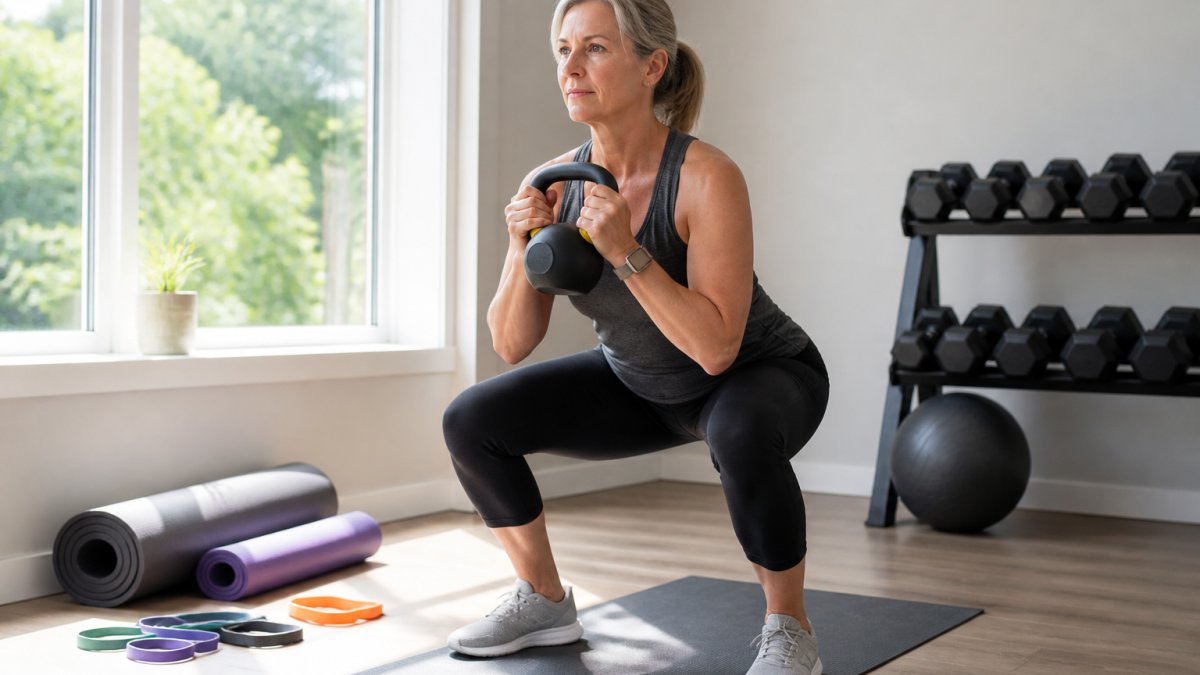
The two loading types you need
- Weight-bearing impact: feet and legs carry your body against gravity. Walking, stair climbing, dancing, and hiking count. Jogging, jumping jacks, and skipping rope load bone harder and drive more new tissue.
- Resistance training: muscles pull on the bones they attach to. Squats, deadlifts, and overhead presses hit the hips and spine, the two sites where fracture risk matters most.
You need both. Impact builds the signal; resistance builds the strength to handle it.
An 8-week starter progression
Start with two sessions per week and add a third once the first two feel easy.
- Weeks 1-2: bodyweight squats, step-ups, brisk 20-30 minute walks, and 10 minutes of light hopping or jogging in place three times a week.
- Weeks 3-4: add dumbbells or resistance bands to squats, rows, and presses. Keep impact work at the same volume.
- Weeks 5-8: increase load by roughly 5-10% when you can complete all sets with clean form. Add a third strength day if recovery allows.
- Beyond week 8: rotate movements every 4-6 weeks and keep nudging load or impact volume up. Plateaus mean the bone signal has faded.
Modifications if you have osteoporosis, joint pain, or injury risk
This is where most guides stop, and it is the part that matters most if you already have low bone mass.
- Skip forward bends and twists under load. Spinal flexion and rotation raise fracture risk in people with osteoporosis. Replace sit-ups and toe touches with dead bugs, bird dogs, and isometric holds.
- Trade jumping for stomping. If impact hurts your knees or hips, brisk stair climbing and heel drops give a similar bone signal with less joint stress.
- Use a wall or chair for balance during single-leg work until you can hold 30 seconds unassisted.
- Get a physical therapist's input if you have had a fragility fracture, have spinal compression fractures, or are new to loaded training. A tailored plan beats a generic one every time.
Foods for Bone Health: What to Eat Every Week
Foods for bone health deliver calcium, vitamin D, protein, magnesium, and vitamin K. No single food covers everything, so variety matters more than any one ingredient.
Build your weekly plate around these:
- Dairy products: milk, yogurt, and cheese are the easiest calcium sources
- Leafy green vegetables: kale, broccoli, and turnip greens
- Tofu and soy products: many are calcium-fortified
- Fish with soft bones: sardines and canned salmon
- Nuts and seeds: almonds and sesame
- Protein: eggs, poultry, beans, and lentils
Protein deserves a mention most guides skip. Bone is roughly half protein by weight, and low protein intake is common in adults over 50. Include a protein source at every meal.
How Much Calcium and Vitamin D Do I Need for Bone Health?
Calcium and vitamin D work as a pair: vitamin D controls how much calcium your gut absorbs, and calcium is the raw mineral your bones store. Getting one without the other limits how much good either does.
Calcium targets by age and sex
Federal dietary guidance sets daily calcium needs like this:
- Women 19-50: 1,000 mg
- Men 19-70: 1,000 mg
- Women 51-70: 1,200 mg
- Everyone 71 and older: 1,200 mg
- Pregnant or breastfeeding teens: 1,300 mg
Food should cover most of that. A cup of plain yogurt runs about 300-400 mg, a cup of milk about 300 mg, a cup of cooked kale roughly 175 mg, and 3 ounces of canned salmon with bones around 180-200 mg. Three calcium-rich servings a day usually gets most adults close to target.
Vitamin D targets and why they are harder to hit
Most adults need about 600 IU per day, rising to 800 IU after age 70. Very few foods contain meaningful amounts, fatty fish, egg yolks, and fortified milk or plant milks are the main sources. Sun exposure helps, but production drops with sunscreen use, darker skin tones, northern latitudes, and winter months.
A blood test for 25-hydroxyvitamin D is the only reliable way to know your level. Many clinicians consider 20 ng/mL the minimum for bone health, with some aiming for 30 ng/mL. Ask your doctor to check it before you guess.
When a supplement makes sense, and when it backfires
Supplements are a gap-filler, not a replacement for food. A common pattern is a 500 mg calcium citrate or calcium carbonate tablet plus 600-800 IU of vitamin D for people who cannot hit targets through diet alone.
Two safety points matter more than most guides admit:
- Calcium has a tolerable upper limit of 2,000-2,500 mg per day for most adults. Going above that raises the risk of kidney stones and digestive problems, and does not build stronger bone.
- Vitamin D has a tolerable upper limit of 4,000 IU per day for most adults. Very high doses can push blood calcium too high, causing nausea, weakness, and kidney damage over time.
Split calcium doses above 500 mg across meals, your body absorbs smaller amounts more efficiently. Take calcium carbonate with food; calcium citrate works with or without it. If you take thyroid medication or certain antibiotics, separate them from calcium by at least four hours.
NIH Office of Dietary Supplements calcium fact sheet NIH Office of Dietary Supplements vitamin D fact sheet
How Long Does It Take to Improve Bone Density?
Measurable changes in bone density usually take six to twelve months to show on a scan. Bone remodeling is slow by design. You won't feel your bones getting stronger week to week, which is why tracking matters.
What you can expect:
- Weeks 1-4: better balance, strength, and energy
- Months 2-6: noticeable muscle gains and improved posture
- Months 6-12: possible density changes on a follow-up scan
The people who see the biggest shifts are the ones who stay consistent for a year or more. Think of it as a long game, not a quick fix.
How to Assess Bone Density and When to Seek Testing
Bone density testing uses a DEXA scan, a low-dose X-ray that measures mineral content at your hip and spine. It's quick, painless, and gives you a T-score that compares your bone mass to a healthy young adult. Bone Health & Osteoporosis Foundation on DEXA scans
Ask your doctor about testing if any of these apply:
- You're a woman over 65 or a man over 70
- You've had a fracture from a minor fall
- You've taken steroids long-term
- You've been through chemotherapy or certain medical treatments
- You have a family history of osteoporosis
A baseline scan gives you something to measure against. Without it, you're guessing.
Lifestyle Habits, Medications, and Risk Factors That Affect Bone Mass
Some daily habits quietly strip bone. Smoking speeds up bone loss and lowers calcium absorption. Heavy alcohol use does the same. Long stretches of sitting without any weight-bearing movement also work against you.
Certain medications matter too. Long-term corticosteroid use is one of the most common causes of secondary osteoporosis. Some conditions, including thyroid disorders and digestive diseases that affect nutrient absorption, raise fracture risk as well.
Sleep and recovery play a role your bones notice. Poor sleep raises inflammation and slows tissue repair. If you're tracking recovery with a wearable, use that data to spot patterns and adjust your training load. At energizehealthco, our sleep aids and recovery tools are built to support exactly that kind of steady, sustainable progress.
Building stronger bones isn't about one perfect workout or a single supplement. It's about stacking small, repeatable habits: load your bones, feed them well, sleep, and track how your body responds. That's the whole method, and it works at any age.
At energizehealthco, we built our curated range of fitness equipment, wearable technology, and sleep aids to make that daily rhythm easier to keep. Our gear balances strength and stillness so you can train hard, recover well, and wake up with more energy. Get started with energizehealthco and give your bones the steady support they need to stay strong for decades.
Frequently Asked Questions
Can you rebuild bone density naturally?
Yes, to a degree. Bone is living tissue that constantly remodels through a process called bone remodeling. Weight-bearing exercise, adequate calcium and vitamin D, and enough protein all support new bone formation. Most people can slow age-related bone loss and see modest gains, especially if they start before significant loss occurs. The biggest improvements typically come from combining resistance training with a nutrient-rich diet, not from any single habit.
How much calcium and vitamin D do I need for bone health?
Most adults need 1,000 to 1,200 mg of calcium daily, depending on age and sex. Vitamin D recommendations usually range from 600 to 800 IU per day for adults, though some doctors recommend more based on blood levels. Dairy products, fortified plant milks, sardines, canned salmon, tofu, almonds, and leafy greens like kale and turnip greens all contribute calcium. Your doctor can check your vitamin D level and adjust the dose if needed.
What exercises help increase bone density?
Weight-bearing and high-impact activities like walking, jogging, stair climbing, and dancing prompt bone formation. Strength training with weights or resistance bands adds load that bones respond to. Higher-velocity movements and changes of direction, such as those in tennis or aerobic classes, also stimulate bone. Aim for at least two strength sessions per week plus regular weight-bearing activity, and progress gradually to avoid injury.
How long does it take to improve bone density?
Bone remodeling cycles take roughly three to six months, so measurable changes on a DEXA scan usually appear after six to twelve months of consistent effort. Some studies show improvements within a year when exercise and nutrition are combined. Because bone responds slowly, consistency matters more than intensity. Retesting every one to two years helps you track progress and adjust your plan with your doctor.